KEY TAKEAWAYS
- Repeated operation is not a reason to increase the rating. Investigate the fault and review protection coordination first.
- Opening at startup, after sustained operation or soon after replacement calls for different checks.
- Check the circuit, operating curves, installation conditions and equipment requirements together.
The short answer: do not upsize as a troubleshooting shortcut
A fuse may be clearing a real fault, or its selection and installation may not suit the application. Restoring operation with a larger fuse does not prove that the original problem has been resolved.
For example, replacing 63 A with 80 A and observing no further openings does not establish a safe replacement. Cable, holder, contactor and protected-device limits and fault clearing must still be checked. These are hypothetical ratings, not an upgrade recommendation.
Stop repeated re-energization when operation recurs or there is burning smell, discoloration or unusual noise. Qualified personnel should isolate and verify the equipment is de-energized and manage stored energy under its procedures before inspection. Never bypass the fuse.
Step 1: record when it opens
Timing provides clues, not a diagnosis. Record the starting method, load, duration and whether the same circuit repeatedly operates.
At startup
Capture magnitude and duration
During operation
Check sustained load and heat
Repeated cycling
Record repetition and intervals
| Observation | First checks |
|---|---|
| At energization or startup | Short circuits, wiring and component faults; also compare startup duty with the time-current curve. Do not assume inrush is harmless. |
| After sustained operation | Load current, temperature around the fuse, cooling and connection heating. |
| Soon after replacement | Whether the original fault remains, the replacement is correct and the holder or terminals are damaged. |
Step 2: distinguish sustained overload from a short pulse
Startup magnitude, duration and repetition all matter. A steady meter reading may miss a brief peak. Have a qualified person capture suitable measurements and compare them with the exact fuse’s curves and pulse-withstand data.
If running current remains excessive, investigate added load, mechanical binding or equipment faults. Do not label every opening an undersized fuse or substitute a time-delay characteristic without a protection review.
Step 3: check temperature, holder and connections
Temperature around the fuse may differ from room temperature. Enclosures, adjacent heat sources and ventilation affect operation. Apply the exact manufacturer’s derating guidance rather than one universal percentage.
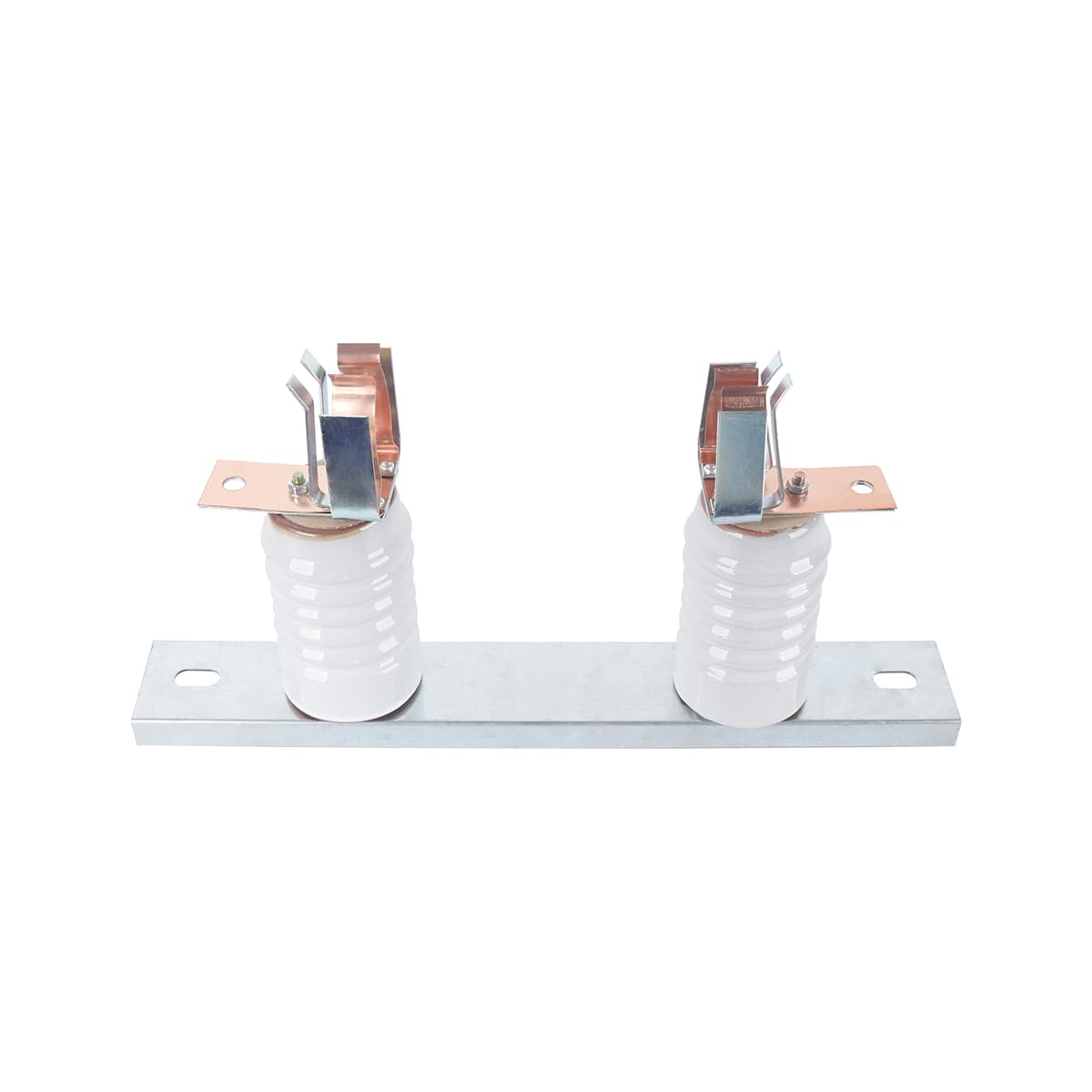
Loose, oxidized or poor contacts can generate local heat. Inspect contact surfaces, holder engagement, connections and signs of deformation or discoloration; follow manufacturer connection and torque requirements. A higher fuse rating does not repair a poor connection.
Step 4: check the intended protection duty
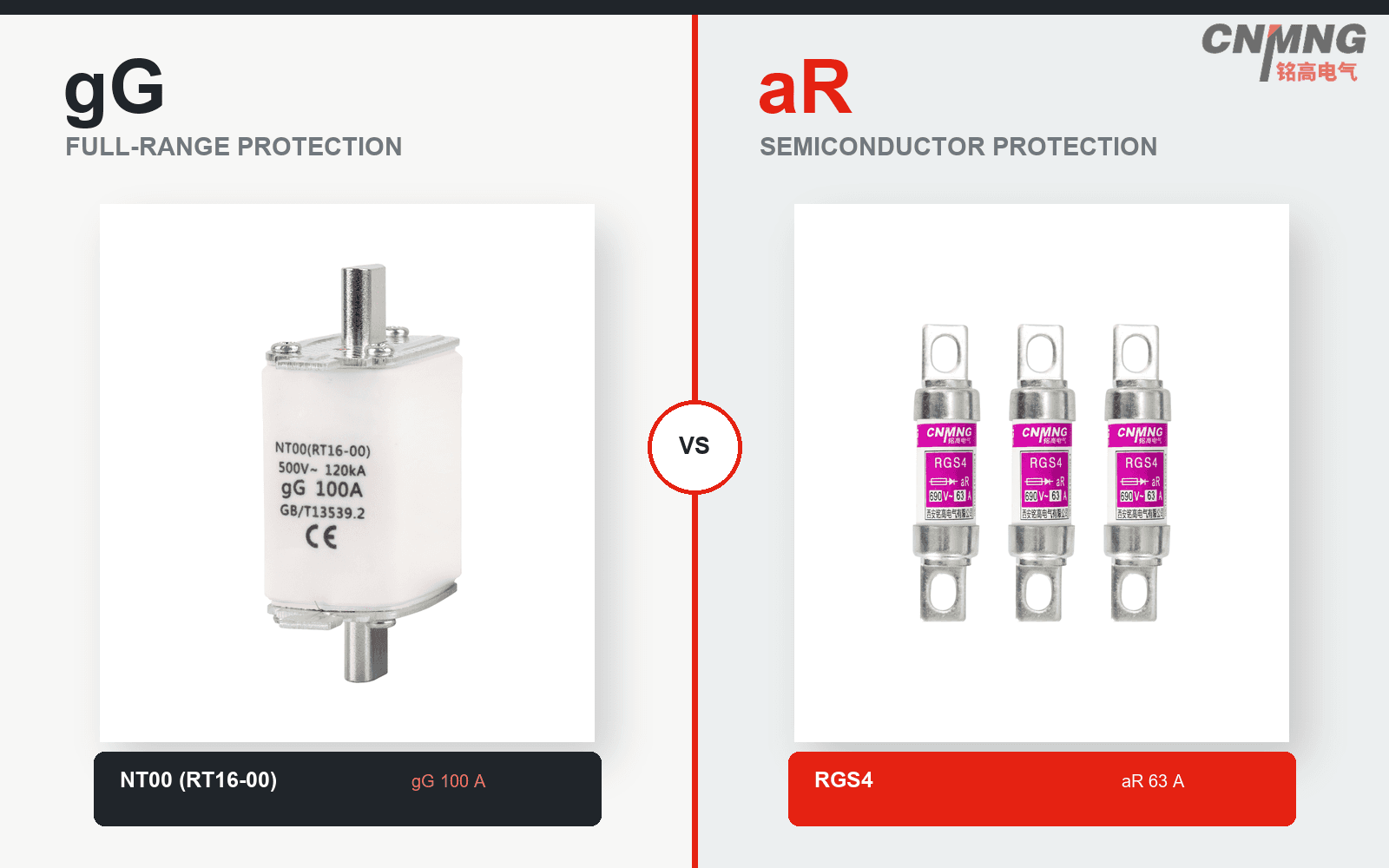
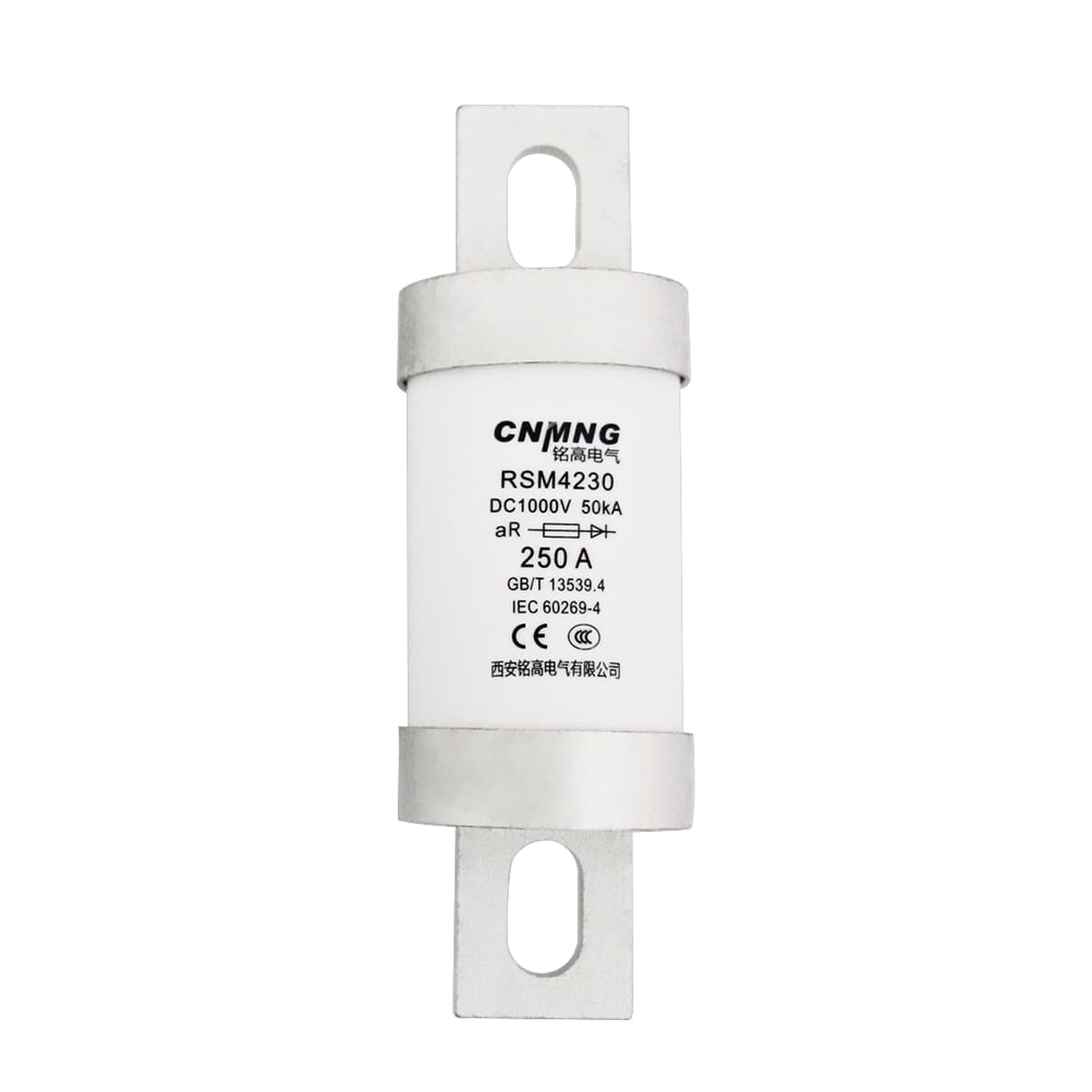
Equal amperes do not mean equal protection. General-purpose, semiconductor and photovoltaic circuits have different requirements. Partial-range types such as aR are not complete overload protection by themselves. Use the exact designation and documentation, not appearance.
When can the current rating be revised?
A revision requires a review by the equipment manufacturer or responsible electrical designer after identifying unsuitable original selection or a genuine load-design change. It is a protection-design change, not a trial-and-error repair.
- Verify maximum operating voltage, AC/DC duty, prospective fault current and breaking capacity.
- Verify cable, holder and equipment limits and coordination with upstream and downstream protection.
- Review time-current behavior, applicable I²t limits, thermal conditions and dimensions; document the decision.
Circuit
AC / DC · Voltage · Fault current
Protected equipment
Cables · Components · Withstand
Protection
Curves · Category · Selectivity
Installation
Holder · Temperature · Dimensions
Prepare this record before requesting a replacement
Replace “it keeps blowing” with a precise operating description. Mark unknown parameters for confirmation rather than guessing.
| Information | What to send |
|---|---|
| Product and installation | Full fuse and holder models; marking, terminal and overall installation photographs. |
| Circuit and duty | Equipment duty, AC/DC, voltage, normal load, starting method and recent changes. |
| Event record | Timing, frequency, measured current and temperature, and whether the same phase or branch is affected. |
| Available documentation | Circuit drawings, original selection basis, manufacturer curves and maintenance records. |
A final note for purchasing and maintenance
Confirm the fault and replacement requirements before ordering. Minggao can help check product parameters from models, photographs and application data; equipment diagnosis and protection changes still require the responsible qualified personnel.
This guide organizes troubleshooting information. It provides no universal uprating factor, temperature limit or replacement model. Follow the equipment requirements, applicable standards and exact product documentation.