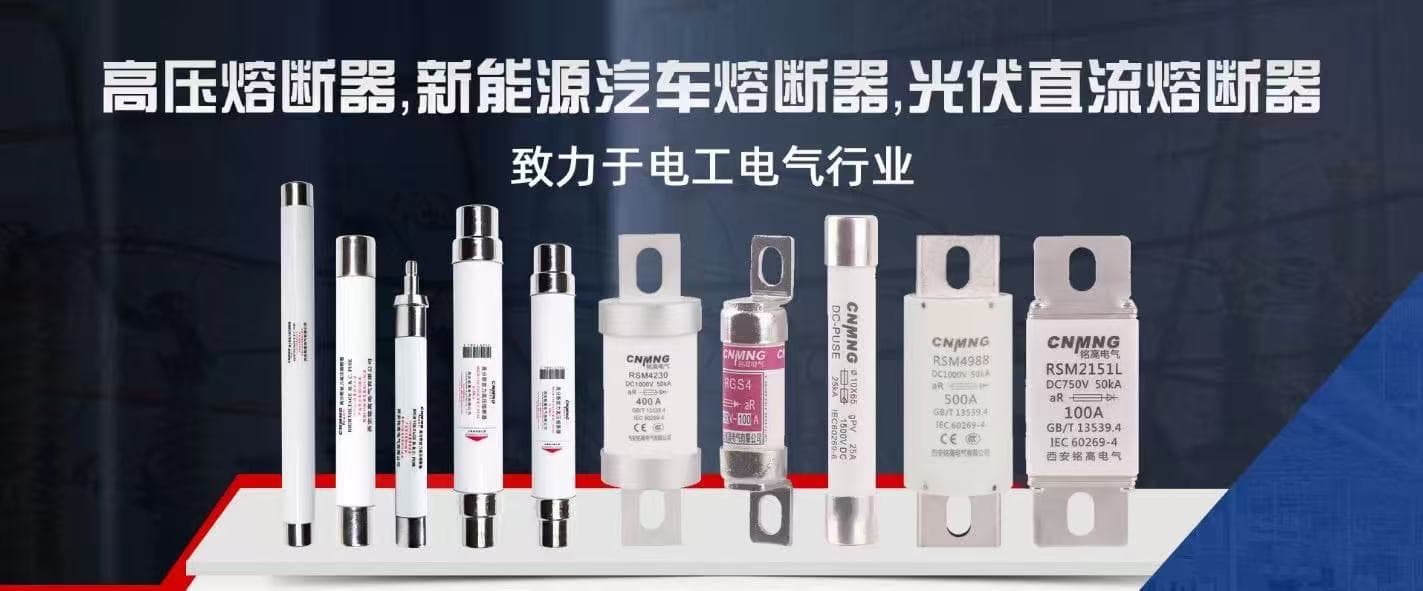
KEY TAKEAWAYS
- Identify the full model, then check voltage, current, utilization category and breaking capacity together.
- A indicates current rating; kA commonly expresses breaking capacity. These are different quantities.
- Markings identify the product; selection also needs drawings, curves and operating conditions.
Where should you start?
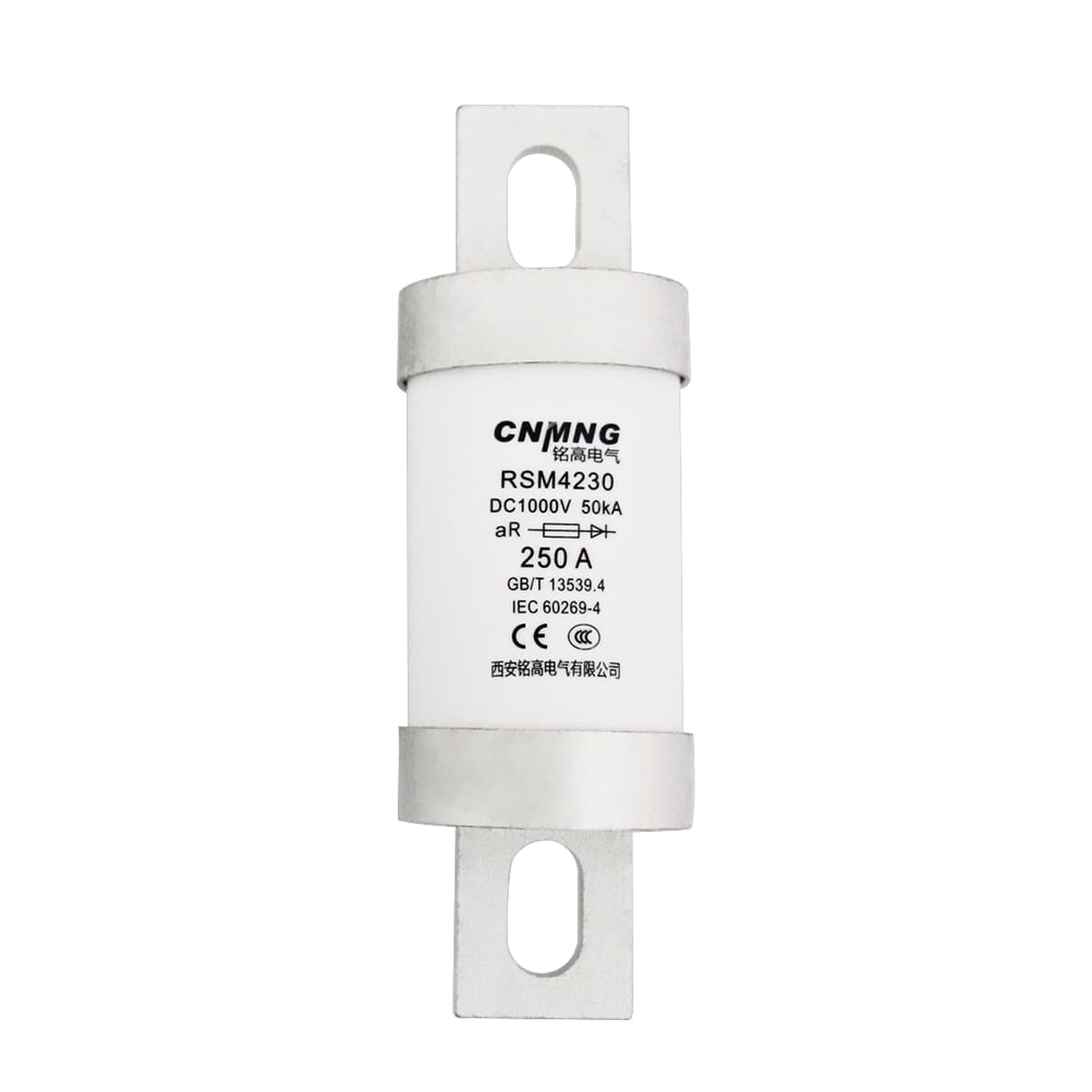
“I need a 100 A fuse” is usually not enough for an enquiry. The same current rating can serve different circuits, equipment and mounting arrangements. Start with a clear nameplate photograph and record these five items.
| Marking | What to identify |
|---|---|
| Full model | Series, size and suffixes, interpreted using manufacturer documentation. |
| Rated voltage / V | Check AC or DC as well as the voltage number. |
| Rated current / A | The current rating under specified conditions, not an instantaneous operating threshold. |
| Utilization category | For example gG, aR or gPV: identify the intended duty and protection range. |
| Breaking capacity / kA | The maximum prospective fault current safely interrupted under specified voltage and test conditions. |
1. Model: record the complete designation
The model is the starting point for finding documentation. Recording only “NT” or “RGS” can omit size, current or construction details. Keep every character and suffix, together with the manufacturer. Coding conventions differ, so do not infer all performance data from the letters alone.
- Photograph the nameplate, complete fuse and both terminal ends.
- If markings are unclear, cross-check the equipment bill of materials, purchase record or manufacturer drawing.
2. Voltage: AC/DC matters as much as the number
The voltage rating must cover the maximum operating circuit voltage under the applicable AC or DC conditions. A 500 V AC marking does not establish suitability for 500 V DC. For dual-rated products, check each set of ratings separately.
If DC suitability is not stated, consult the exact model’s datasheet. Do not convert an AC rating into a DC rating yourself.
3. Current: 100 A is not an instant trip point
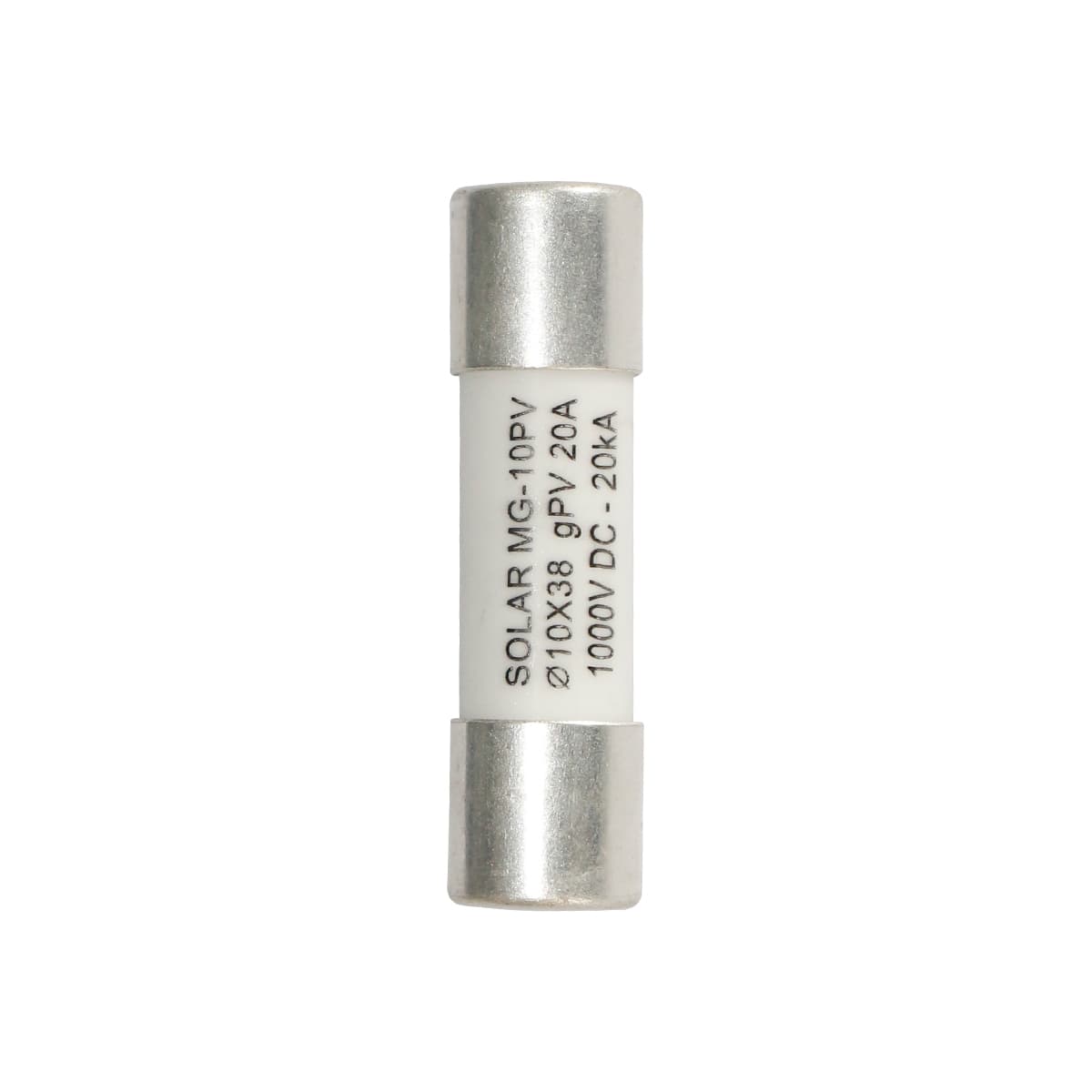
Rated current is a carrying-current specification established under stated conditions. Operating time during overcurrent comes from the time-current curve, not the ampere marking alone.
Enclosure temperature, cooling, holder and connections affect service conditions. Check continuous load, starting surges and manufacturer derating guidance. Investigate repeated fuse operation before changing the rating.
4. Utilization category: more than operating speed
In the relevant IEC categories, lowercase g/a distinguishes breaking range and the following letters relate to duty. Equal current ratings do not make categories interchangeable. Use the exact model’s compliance information and technical data.
| Common marking | Key interpretation |
|---|---|
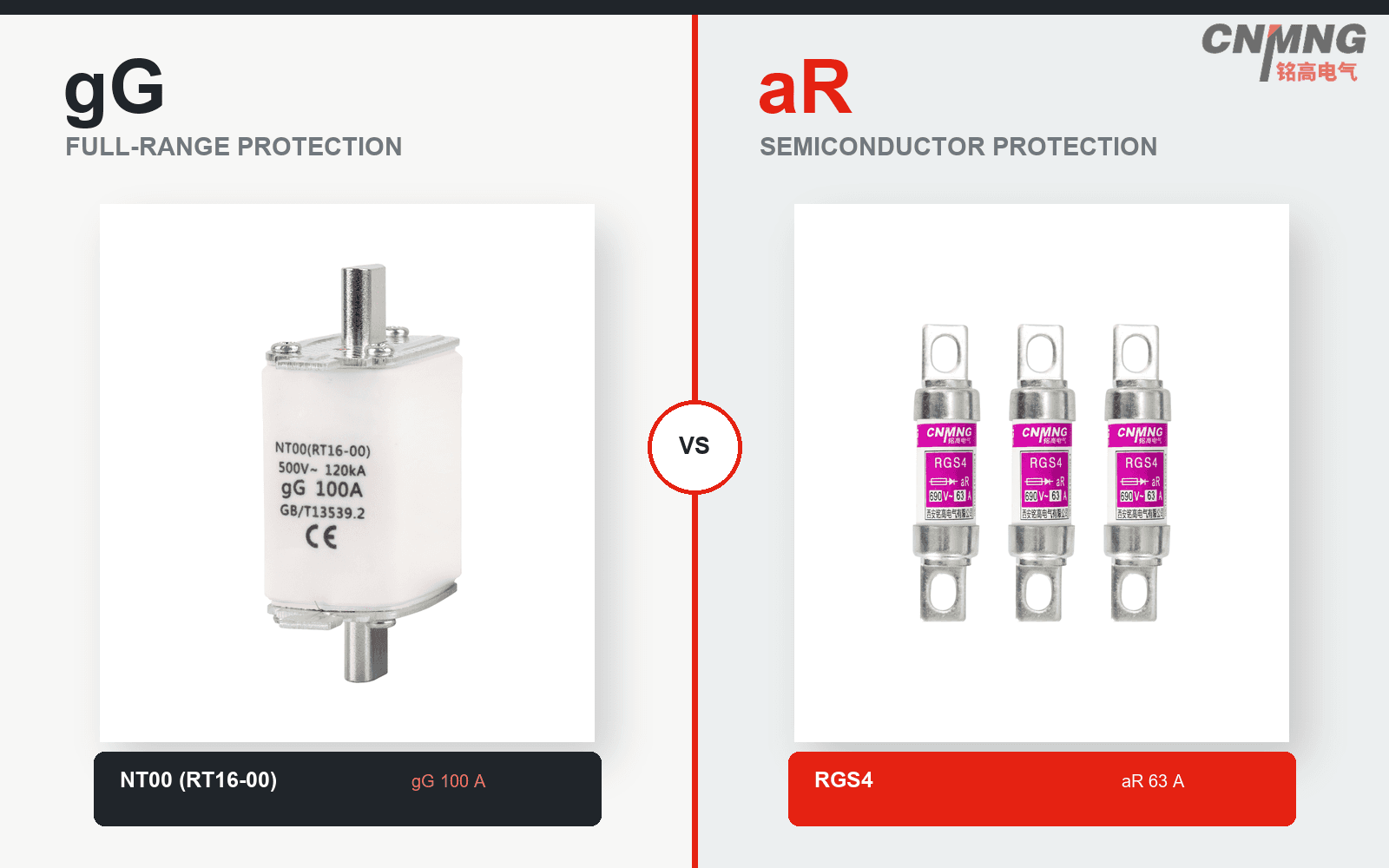
| gG | General-purpose full-range protection for overloads and short circuits within its specified range; curves and coordination still matter. |
| aR | Partial-range semiconductor protection; it does not provide complete overload protection on its own and requires coordinated protection. |
| gPV | Full-range photovoltaic fuse; verify DC voltage, breaking range and coordination with the PV modules. |
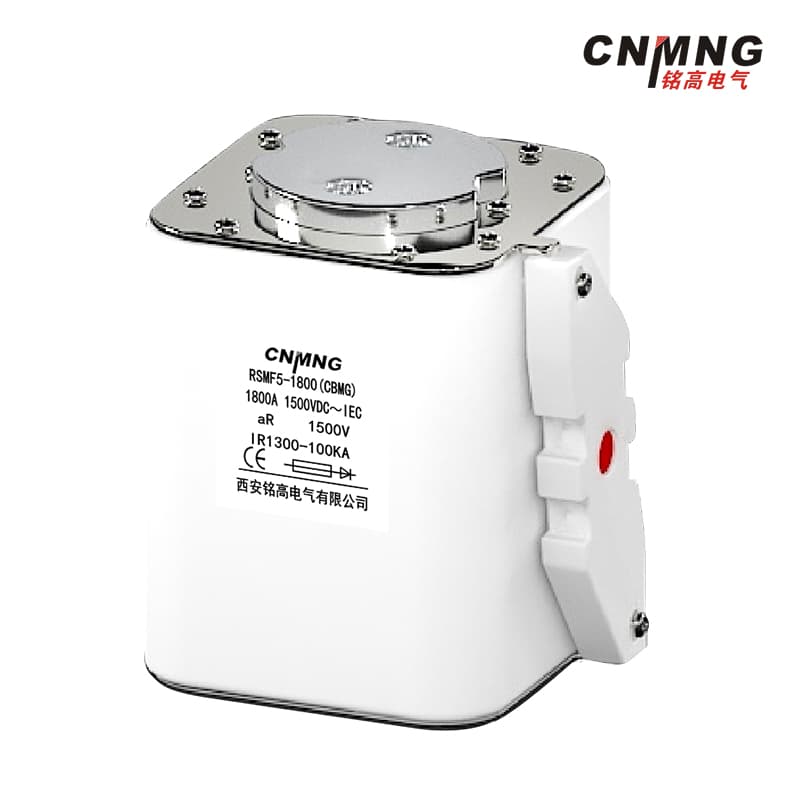
5. Breaking capacity: kA is not load current
Breaking capacity must meet the prospective short-circuit current at the installation. In a hypothetical 100 A / 80 kA specification, 100 A is rated current and 80 kA is rated breaking capacity under the stated conditions—not a continuous current capability. These example values do not describe the pictured products.
Check the associated voltage, AC/DC duty and limitations. For partial-range fuses, also verify the minimum breaking current instead of looking only at the maximum kA value.
Putting it together: a worked marking example
Suppose a nameplate and its matching datasheet together state “Model ABC-00 / 100 A / 500 V AC / gG / 80 kA”. ABC-00 is a fictional model used only to explain the reading process. These values do not specify the pictured fuses or a Minggao product.
Use ABC-00 to find the exact documentation. The current rating is 100 A, the AC voltage rating is 500 V, gG identifies the relevant general-purpose full-range category, and 80 kA is the breaking capacity under the documented conditions. These facts work together; none substitutes for another.
| Proposed application | What the markings establish |
|---|---|
| A 400 V AC circuit | The voltage may be suitable, but load, fault current, coordination and mounting still need verification. |
| A 500 V DC circuit | The AC marking does not establish DC suitability. Explicit DC data for this model is required. |
| Replacing a 100 A aR fuse | The utilization categories differ; equal amperes do not establish interchangeability. |
| Fitting a similar-looking holder | Check drawings, holder compatibility and permissible power dissipation; appearance is insufficient. |
Other markings worth recording
Space is limited, so information may appear on the front, back, end cap or packaging. A value missing from the front may be documented elsewhere. Find the matching datasheet rather than filling gaps with data from a similar model.
- Manufacturer and trademark identify the source and the correct documentation. Different manufacturers may use similar series names.
- Size markings, such as diameter × length on cylindrical fuses, help identification. Check what the dimensions include and the drawing’s measurement references.
- Record complete standard references, certification marks and traceable numbers, then verify which models and ratings they cover.
- Batch or date codes support traceability. Coding formats vary; not every number is an electrical rating.
- Striker or indicator information identifies accessories or operating features, not protection performance by itself.
Six common purchasing and maintenance mistakes
| Common assumption | A better check |
|---|---|
| “Equal amperes mean the same specification.” | Compare model, voltage, category, breaking capacity and construction together. |
| “A higher voltage rating guarantees a better replacement.” | A higher number does not replace checks of operating characteristics, dissipation and mounting. |
| “80 kA operates faster than 50 kA.” | Breaking capacity describes interruption capability; compare time-current curves under equivalent conditions for operating speed. |
| “A high-speed fuse protects any equipment.” | Choose for the equipment and starting duty, and verify that the required overload protection is provided. |
| “If the holder grips it, it is suitable.” | Check contact dimensions, connection method, holder ratings and permissible dissipation. |
| “An unclear label can be replaced by an appearance-based guess.” | Use equipment and purchasing records. Mark unknown parameters for verification instead of guessing. |
What else do you need?
- Dimensions and mounting: length, diameter, blades or hole spacing, and holder compatibility.
- Coordination: time-current curves and, for semiconductor protection, parameters such as total-clearing I²t.
- Application: equipment duty, maximum circuit voltage, load current, environment and prospective short-circuit current.
- Marking evidence: a standard number is not a third-party certificate; verify certification for the exact model using valid documents.
A more useful enquiry
Send the full model, clear nameplate and terminal photographs, key dimensions, application and quantity together. Flag unreadable information for technical review instead of guessing.
Minggao Electric can help review markings and application information. Reading the nameplate is the first step; final selection must also meet the equipment’s electrical and mounting requirements.
| Enquiry template | What to provide |
|---|---|
| Original product | Manufacturer: ___; full model: ___; nameplate photo: attached. |
| Marked ratings | ___ A; ___ V; AC/DC: ___; category: ___; breaking capacity: ___ (include conditions). |
| Equipment and circuit | Equipment and duty: ___; maximum operating voltage: ___; load current: ___. |
| Mounting and environment | Dimensions/drawing: ___; holder model: ___; enclosure temperature and cooling: ___. |
| Purchase requirements | Quantity: ___; delivery: ___; new selection or replacement: ___; items to verify: ___. |
This guide covers common industrial fuse markings. Conventions differ between standards and product families; consult the documentation for the exact model.